
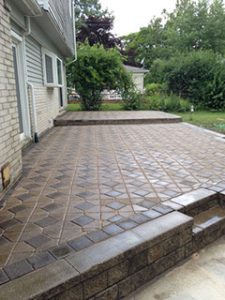
When new pavers are installed, most homeowners are focused on how great the finished project looks. A new patio, walkway, driveway, or pool surround can instantly improve the yard’s appearance and make the whole property feel more polished. Because the pavers are brand new, it is easy to assume they do not need much attention yet.
That is where a lot of people go wrong.
New pavers may look finished after installation, but that does not always mean they are fully protected. Sealing them soon after installation can help preserve their appearance, protect them from the elements, and extend their lifespan from the start.
New Does Not Mean Maintenance-Free
One of the biggest misconceptions about pavers is that only older surfaces need maintenance. In reality, even brand-new pavers are exposed to the same outdoor conditions that wear down older ones over time. Sun, rain, moisture, dirt, weeds, and seasonal temperature changes all start affecting the surface as soon as the installation is complete.
Without protection, those pavers can begin to fade, oxidize, and lose their original look sooner than many homeowners expect. That is why sealing matters from the beginning, not just years later.
Why Sealing Right Away Makes Sense
Sealing new pavers early helps protect the investment before wear starts to build. Instead of waiting until weed growth, fading, or surface damage becomes visible, sealing provides the surface with protection from the start.
That protection can help reduce the effects of weather exposure and day-to-day use. It also helps maintain the cleaner, newer appearance that made the pavers attractive in the first place. Since pavers are often used in high-visibility areas like patios, walkways, driveways, gardens, and pools, protecting that appearance early can make a noticeable difference.
Sealing Helps Protect Against the Elements
Pavers are constantly exposed to outdoor conditions. Over time, Mother Nature can fade the surface, oxidize the material, and allow grass or weeds to overrun the paver system. Those are not just issues for aging pavers. They can begin developing on newer installations, too, if no protective step is taken.
Michigan weather only adds to that challenge. Rain, sun, moisture, and seasonal temperature swings can all work against unprotected surfaces. Sealing early helps new pavers stand a better chance of holding up over time.
It Can Help You Get More Life Out of the Installation
A new paver installation is a major upgrade, so it makes sense to protect it as early as possible. Sealing is one of the simplest ways to do that. Instead of treating it as an optional extra, it is often better to view sealing as part of the full installation process.
If sealing right away can double the pavers’ lifespan, it is not just about keeping them looking nice. It is also about getting more long-term value from the project.
Waiting Can Mean More Work Later
When sealing is delayed, the surface has more time to take on wear that may have been easier to prevent. Dirt can build up, colors can start to dull, and weeds may begin to show up between the joints. Once that happens, the focus shifts from protecting new pavers to restoring ones that already look worn.
That is why early sealing is often the smarter move. It helps you stay ahead of problems rather than react to them later.
New Pavers Deserve Long-Term Protection
If you have just had new pavers installed, protecting them early can help them stay cleaner, look better, and last longer. Sealing is not only for older patios and walkways that already need restoration. It is also an important step for brand-new pavers that deserve protection from day one.
At Viking Power Wash, we help homeowners in Michigan protect new patios, walkways, driveways, garden pavers, and pool areas with professional paver cleaning, sealing, and maintenance services. If you recently installed new pavers and want to help them last as long as possible, contact us today at (248) 889-0909 for a free estimate.
Leave a Reply
You must be logged in to post a comment.